
Keeplisted

BC short-term rental rules, in plain language

Last checked against the Province's pages on November 12, 2026. Rules change, so confirm on the official site before you act.

Short answer: British Columbia's Short-Term Rental Accommodations Act covers stays of less than 90 consecutive days. A host has to register each unit with the Province every year, show the registration number on every listing, and in most larger communities rent only the home they live in plus one secondary suite. City bylaws and strata bylaws apply on top.


A cedar cabin among Sitka spruce near Tofino on Vancouver Island

The law in one minute

  • It covers stays under 90 days

    The Act defines a short-term rental as a stay of less than 90 consecutive days. Hotels, motels, hostels and a few other types are exempt.

  • Every unit is registered, every year

    The fee is $100 a year for a home you live in and $450 for a unit you do not, plus a $1.50 service fee.

  • Most larger communities have a principal residence rule

    You can rent the home you live in, plus one secondary suite or accessory dwelling unit on the same property.

  • The number goes on every listing

    The listing address also has to match the registration exactly.

  • Renewal opens 40 days before expiry

    The Province emails reminders at 40 days, 14 days and 1 day.

  • Local rules still apply

    The provincial rule is a minimum. A city can be stricter and can require a business licence.

Province of BC, Register as a host, updated July 23, 2026

How the rules arrived

Fall 2023The Act is introduced

It sets a provincial role in short-term rentals and gives local governments stronger enforcement tools.

May 1, 2024Principal residence rule

It takes effect in covered communities. Listings must show a business licence number where the city requires one.

May 1, 2025Registration required

Hosts must be registered with the Province and show the number on each listing.

June 2025Listings start coming down

Platforms begin removing listings without a valid registration. The Province counts the Act as fully in place from this month.

2026Two changes

A new legal name or rental address now needs a new registration. Kelowna leaves the principal residence rule on June 1.

Sources: Province of BC news release, 2023, Register as a host, Province of BC news release, April 2026, BIV

Three sets of rules apply to one listing

A West Coast modern home on Vancouver's North Shore at dusk

The Province

Runs the registry, sets the principal residence requirement and enforces both through its Compliance and Enforcement Unit.

The cedar front entry of a Vancouver character home

Your local government

Sets its own bylaws and business licences. It can ask a platform to remove a listing that has no valid licence, and the platform then has five days to act.

A timber chalet near Whistler in fresh snow at blue hour

Your building

A strata's bylaws can restrict or ban short-term rentals. If you rent your home, the registry asks for your tenancy agreement.

The principal residence requirement

Where it applies, you can offer short-term stays only in the home you live in, plus one secondary suite or accessory dwelling unit on the same property.

Where it applies

Municipalities of 10,000 people or more, and smaller communities next to them. The Province publishes the list and a map, current as of June 1, 2026.

Who starts out exempt

Municipalities under 10,000, regional district electoral areas and resort municipalities. Each can ask to opt in.

It can change every year

A covered community with a vacancy rate of 3% for two years running can ask to leave. Kelowna did, and from June 1, 2026 hosts there no longer need to meet the requirement to register, subject to local limits.

What proves it

One piece of BC identification and at least two supporting documents. See documents that prove principal residence.

Province of BC, principal residence requirement, updated September 21, 2026
A laneway house behind a Vancouver home
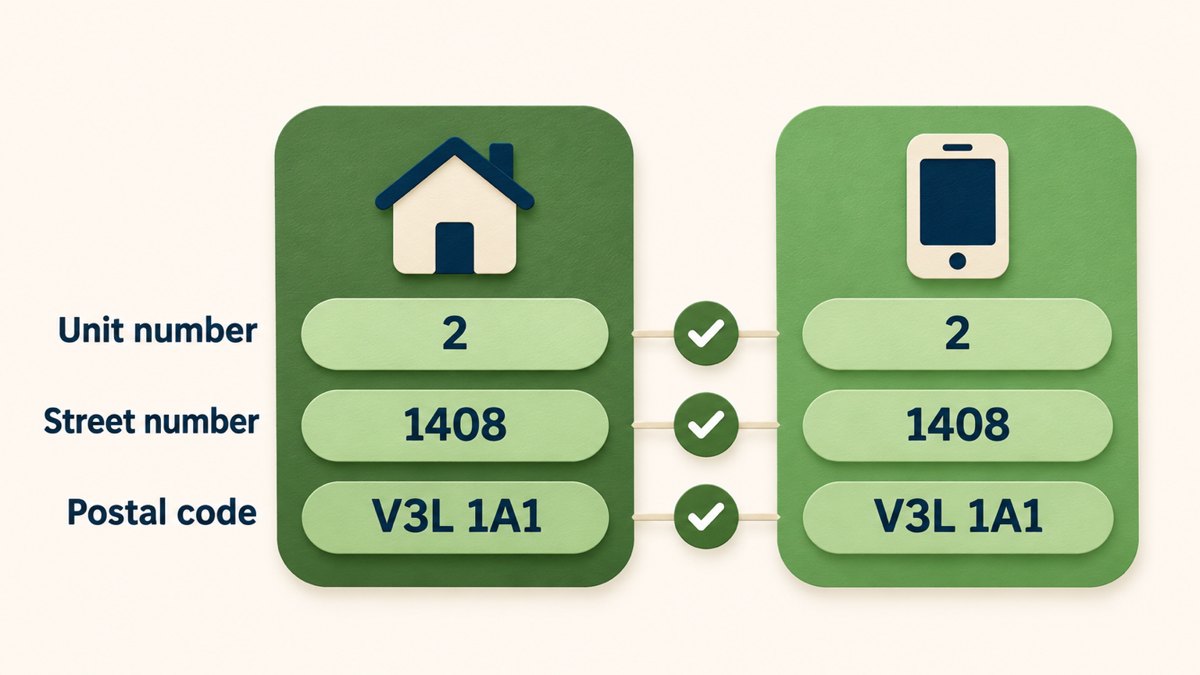
Illustration: a registration card and a listing card side by side, with unit number, street number and postal code matching on both.

The registry, fees and deadlines

Each rental unit needs its own registration. A secondary suite counts as its own unit. Separate bedrooms in one home share one.

Provincial fees

Each year, plus a $1.50 service fee

A home you live in

$100

A unit you do not live in

$450

Answer a Notice of Consideration

8 days

Ask for a review of a decision

14 days

Report a change to your details

14 days

Fees are not refunded if an application is denied. These are the Province's fees and deadlines, paid and met through your own BC Registries account.

Province of BC, Register as a host, updated July 23, 2026
A hillside home above Okanagan Lake near Kelowna in summer sun

Penalties run from $500 to $5,000 a day.

That is the range the Province gave for hosts in April 2024, for each infraction, with up to $10,000 a day for corporations. Its Compliance and Enforcement Unit can also issue compliance orders, seek injunctions and publish its decisions. One published decision in March 2025 set a penalty of $34,400.

Sources: CTV News, April 2024, Province of BC, compliance and enforcement, Notice of Administrative Penalty, March 26, 2025.

What changed recently

September 21, 2026

The Province updated its principal residence page. The community list on it is current as of June 1, 2026.

June 1, 2026

Kelowna hosts no longer need to meet the principal residence requirement to register with the Province. Local limits still apply.

2026 renewals

A change of legal name, legal business name or rental address now needs a new registration. Changing which bedrooms you list does not.

June 2025

The Act has been fully in place since this month, by the Province's account.

Sources

This page is general information and is not legal advice. The Act and its regulations take priority over anything written here.

Check my listing